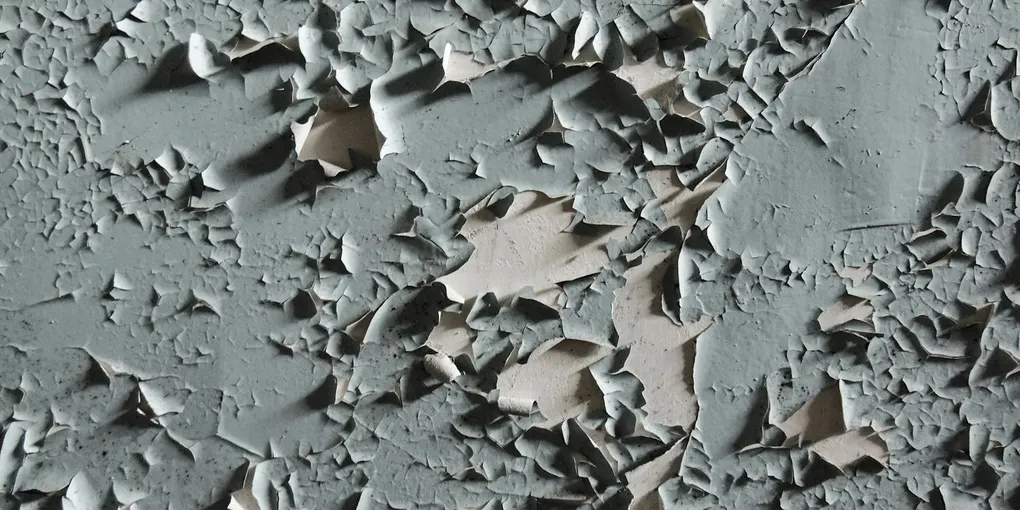
What Causes Bubbles in Drywall Paint? (And How to Fix Them)
Bubbles in fresh paint mean one of 6 things — moisture, bad surface prep, wrong primer, or temperature problems. Diagnose yours and learn how to fix and prevent them.

You finished painting the bedroom yesterday. You’re admiring it this morning. Then you spot a quarter-sized bubble — and another, and another — slowly raising itself off the wall. Frustrating, yes, but fixable. There are six common causes of bubbles in drywall paint, and the right fix depends on which one you have. This guide walks through each, so you can identify yours and prevent it from happening again.
The Six Causes of Paint Bubbles
Before fixing anything, figure out which cause you’re dealing with. Most paint bubble problems fall into one of these categories.
1. Moisture in the Wall
The most common cause. If there’s any moisture trapped in the drywall when you paint, the paint will lift off as the moisture tries to escape.
Signs:
- Bubbles appear within hours or days of painting
- Bubbles cluster in specific areas (near plumbing, exterior walls, or below windows)
- The drywall feels slightly damp or cool to the touch
- Bubbles may pop and reveal damp wall behind
Sources of moisture:
- A small leak in the wall (plumbing, roof, exterior siding)
- High humidity in the room (especially bathrooms without good ventilation)
- Painting before previous coats fully dried
- Painting in a humid environment (rainy day, no air circulation)
Fix: Stop. Find and fix the moisture source first. Painting over a damp wall is permanent failure. Once dry, scrape off the bubbled paint, prime with a moisture-blocking primer (Zinsser BIN or Kilz Restoration), and repaint.
2. Painting Over a Glossy or Dirty Surface
Paint needs to grip what’s underneath. If the surface is glossy, oily, or coated in dust, the paint sits on top like a film — and any movement underneath pushes it up as bubbles.
Signs:
- Bubbles in fresh paint over previously glossy/satin painted walls
- Paint peeling off in sheets rather than chips
- Wall has a noticeably slick or oily feel before painting
Fix: Scuff-sand the wall lightly with 220-grit sandpaper, wipe clean with a damp rag (and TSP cleaner if it’s greasy), then prime before repainting.
3. The Wrong Primer (or No Primer)
Joint compound, fresh drywall, and patched areas absorb paint differently than the rest of the wall. Without primer to seal them, the paint film over the patch dries unevenly and lifts.
Signs:
- Bubbles only over patched areas
- Patches show darker through the paint
- Bubbles right where the seam between old and new wall is
Fix: Sand the bubbled area smooth, apply a coat of drywall primer (a PVA primer for new drywall, or a stain-blocking primer like Zinsser Gardz for patches), let dry, repaint.
4. Painting in Direct Sunlight or High Heat
Paint dries from the outside in. If the surface dries too fast — under hot sun on an exterior wall, or near a heater on an interior wall — the wet paint underneath gets trapped, and as it dries it pushes the dry surface layer up.
Signs:
- Bubbles appear on walls hit by direct sun during painting
- Bubbles cluster in warmer spots in the room
- Paint surface looks “wrinkled” or “alligatored”
Fix: Wait for cooler conditions before repainting. Scrape, sand, and prime the bubbled area. Paint on a cool, overcast day or after the sun has moved off that wall.
5. Painting Latex Over Oil-Based Paint Without Priming
Latex (water-based) and oil paint don’t bond well chemically. If your wall has older oil-based paint underneath and you paint with latex over it without proper priming, the latex film floats on top and lifts.
Signs:
- Older home (oil paint was more common before the 2000s)
- Paint peels in sheets, not chips
- Bubbles connected to old paint repairs
Test for oil-based paint: Soak a cotton ball with denatured alcohol and rub a small area of the wall. If paint comes off on the cotton, it’s latex. If nothing comes off, it’s likely oil.
Fix: Scuff sand the area, prime with a bonding primer (specifically designed for sticking to oil-based paint), then apply latex over the primer.
6. Cheap or Old Paint
Paint has a shelf life. Old paint separates, and even after stirring, it may not film properly. Cheap paint has fewer solids and binders, which leads to weak films that lift easily.
Signs:
- Bubbles appear throughout the wall, not in clusters
- Paint was old or store-brand bargain
- Coverage is poor; you needed 3+ coats
Fix: Use better paint. A gallon of mid-range Sherwin-Williams or Benjamin Moore is more than a gallon of bargain paint, but it actually adheres, covers in two coats, and doesn’t bubble. False economy to buy cheap.
How to Fix Existing Bubbles
Regardless of the cause, the basic fix is the same:
- Identify and fix the cause first (moisture, dirty surface, wrong primer, etc.).
- Scrape the bubbles off with a putty knife. Get all the loose paint, including the edges that are still attached.
- Sand the edges smooth so there’s no sharp transition between the bubbled area and the surrounding wall.
- Patch any divots with joint compound, let dry, sand smooth.
- Prime the entire repaired area with appropriate primer.
- Paint — at least two thin coats, applied with proper drying time between them.
How to Prevent Bubbles When You Paint
- Clean the surface. Dust, grease, and old residue all cause bubbling. Wipe walls down before painting.
- Patch and prime first. Always.
- Wait for proper drying. Latex paint needs 4 hours between coats minimum. Don’t rush.
- Don’t paint in extreme conditions. Avoid direct sun, high heat, or high humidity.
- Stir paint well. Especially if it’s been sitting. Pour it into a clean bucket and back to fully mix.
- Use quality paint. Mid-range paint costs $40–60 per gallon and is 10× the cost of frustration of bargain paint.
Common Mistakes to Avoid
Painting over wet bubbles. People sometimes think they can “bury” bubbles in another coat. They cannot. The bubble pushes through the new coat too. Scrape first.
Ignoring the moisture issue. If moisture is the cause and you don’t find it, the bubbles will return no matter how many times you repaint. Find the leak.
Not waiting between coats. Each coat needs to fully dry before the next, or the layers bond poorly and create new bubbles.
Painting in a closed-up room. Air circulation is essential. Open windows or run a fan during and after painting.
Frequently Asked Questions
My bubbles popped on their own. Do I still need to fix them? Yes — the paint around the popped bubble is also lifted, even if the bubble itself opened. Scrape, sand, prime, repaint.
Are bubbles a sign of mold? They can be, if the moisture has been there long enough. If you scrape off a bubble and see black or dark green spots, you have a mold problem and may need professional remediation.
Will the bubbles come back if I paint over them? If you don’t fix the underlying cause, yes — every time. The paint isn’t the problem; the wall behind it is.
Can I use kilz/zinsser primer for all causes? For most causes, yes. The major exception is glossy surfaces, which need a bonding primer (Zinsser BIN works for both moisture and adhesion).
What if my whole wall is bubbling? That’s usually a widespread cause: humidity, applying paint too fast, or oil-over-latex. You may need to strip the wall and start over. Painful but the only real fix.
A Bubble-Free Finish Is Achievable
Paint bubbles are frustrating, but they’re not random — they have a specific cause every time. Find the cause, fix it (not just the symptom), prime well, paint in the right conditions, and the finish will hold for years. Once you know what to look for, you’ll never have a bubbling paint job again.