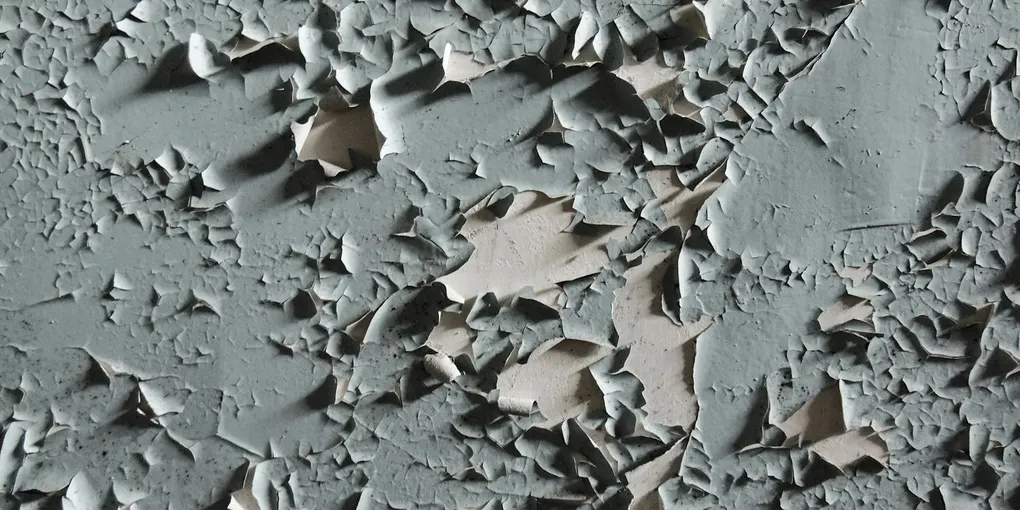
How to Fix Paint That Is Peeling Off a Wall
Peeling paint has 5 specific causes — and the fix only works if you address the right one. Diagnose your peel and learn the right repair technique.

Paint that’s peeling off a wall is one of those problems where the fix is straightforward once you understand the cause. The catch: you can’t just slap fresh paint over peeling paint. It’ll peel again, often worse. To actually fix peeling paint, you need to remove the failing paint, address the underlying cause, and repaint properly. This guide walks through how to fix paint that is peeling off a wall — including the 5 common causes and the right repair for each.
The 5 Causes of Peeling Paint
Walk up to your peeling wall and look closely. Each cause leaves different clues.
1. Moisture from behind the wall
The most common cause. Water from a leak, condensation, or rising damp seeps through the drywall and pushes paint off from behind.
Signs: Bubbles or peels that come away in soft, wet pieces. Damp wall behind. Cluster near plumbing, exterior walls, or below windows.
2. Painted over dirty or glossy surface
Paint won’t bond to dust, oil, or a glossy old finish. The new film peels off in sheets.
Signs: Paint peels in large, continuous sheets — not chips. The back of the peeled paint is shiny or has dirt embedded.
3. Latex over old oil-based paint
Latex doesn’t chemically bond to oil paint. Without a bonding primer, the latex film slowly lifts.
Signs: Common in older homes. Sheets that peel cleanly. Test the old paint with denatured alcohol (latex dissolves, oil doesn’t).
4. Paint applied in poor conditions
Painted in extreme heat, direct sun, freezing temps, or high humidity. The paint never properly cured.
Signs: Peeling shortly after painting. Sometimes only on walls that were hit by sun while painting.
5. Old, deteriorated paint
Decades-old paint that’s been through too many temperature cycles. Has lost flexibility, can no longer expand and contract with the wall.
Signs: Brittle paint chips that pop off in small flakes. Multiple layers visible if you pick at it. Older homes.
Step 1: Identify and Fix the Cause
Skip this step and the new paint job fails too.
- Moisture: Find and fix the leak first. Don’t paint until the wall is bone-dry (test with a moisture meter or wait 30 days after fixing the source). Use a moisture-blocking primer when you repaint.
- Dirty/glossy: Scuff sand with 220-grit, clean with TSP or strong detergent, prime with a bonding primer.
- Latex over oil: Scuff sand, prime with a bonding primer specifically rated for oil-base.
- Bad conditions: Just need a redo in proper conditions (60–75°F, low humidity, no direct sun).
- Old deteriorated paint: Scrape down to a stable layer, prime, repaint.
Step 2: Remove All Loose Paint
This is non-negotiable. Painting over peeling paint just adds a thin film that peels along with the original.
- Lay a drop cloth under the area. Old paint chips are dusty.
- Scrape with a putty knife. Hold the knife at a 30-degree angle and slide under the loose paint.
- Pull loose paint by hand if it comes off easily.
- Don’t try to remove paint that’s still firmly attached — only the loose stuff.
- Continue until the edge of the peel zone is paint that’s stuck firmly.
For stubborn areas, an oscillating tool with a scraping attachment speeds this up significantly.
Safety note: if your home was built before 1978, the paint may contain lead. Don’t scrape dry — use a HEPA vacuum and wet methods. A lead test kit ($15) tells you definitively.
Step 3: Sand the Edges
Where the loose paint stopped, there’s a sharp edge between bare drywall and the remaining paint. Sand it.
- Use 100-grit sandpaper on a sanding block.
- Sand the rough edges until they feather smoothly into the surrounding paint.
- Step back and look — you shouldn’t see a sharp transition between scraped and unscraped areas.
- Wipe dust with a damp rag.
This step is what makes the repair invisible. Skip it and you’ll see a ridge through the new paint forever.
Step 4: Patch and Skim if Needed
If scraping damaged the drywall paper or left visible gouges:
- Apply a thin coat of joint compound over the scraped area.
- Feather the edges so it blends with the surrounding wall.
- Let dry (4–8 hours).
- Sand smooth with 220-grit.
- Wipe with a damp rag.
For walls where you scraped large areas, you may need a full skim coat — a thin layer of joint compound across the entire repair zone to even out the surface. This is more work but gives an invisible finish.
Step 5: Prime With the Right Primer
The primer choice depends on the cause:
- Moisture history: Zinsser BIN or Kilz Restoration (moisture-blocking, also stain-blocking).
- Latex over oil: Zinsser Cover Stain or B-I-N (bonding primer).
- Bare drywall patches: PVA drywall primer.
- Stained or smoke-damaged: Zinsser BIN (alcohol-based, hides everything).
Apply primer to the entire repaired area, slightly past the scraped edge. Let dry per the can — usually 1–2 hours.
Step 6: Paint With Quality Paint
Use the same quality of paint as the original (or upgrade — never downgrade).
- Apply the first coat with a roller, working in 3-foot sections.
- Brush around any edges or trim.
- Let dry 4 hours minimum.
- Apply a second coat.
For a hidden repair, paint the entire wall corner-to-corner. Spot repaints almost always show under raking light because of slight color and sheen differences.
Common Mistakes to Avoid
Painting over peeling paint. You will redo the job in 6 months. Always scrape first.
Skipping the moisture check. A wall that looks dry can still have moisture behind it from a slow leak. Test or wait.
Using regular primer over oil-based paint. Bonding primer specifically — not standard PVA primer.
Not feathering the edges. A scraped area without feathered edges will show through paint as a visible patch.
Painting in poor conditions. Hot direct sun. Cold humid days. These are how peeling problems start.
Frequently Asked Questions
My paint is peeling in the bathroom — humidity? Probably. Bathrooms need proper ventilation (run the fan during and after showers), bathroom-rated paint (a mildew-resistant enamel), and good prep.
Why is paint peeling around my windows but nowhere else? Window seals are failing and water is getting in. Address the seals before repainting — or the paint peels again.
Can I just hide peeling paint with wallpaper? No. The wallpaper will lift in the same spots. Address the underlying cause first.
What if there’s wood underneath peeling paint? Trim, doors, and woodwork peel for the same reasons as walls, plus wood-specific issues (poor adhesion of original primer, sap bleed). Sand back to bare wood, use a wood-specific primer (like Zinsser Cover Stain), then paint.
How do I know when I’ve scraped enough? Run your hand over the area. If anything still feels loose or flakes off, keep scraping. The remaining paint should feel solid when you push on it with your fingernail.
A Wall That Doesn’t Peel Again
The right way to fix peeling paint is annoyingly more work than the wrong way — but the wrong way means redoing it next year. Identify the cause, scrape thoroughly, feather edges, prime with the right product, and paint in good conditions. Done correctly, the repair is invisible and permanent. Done quickly, the paint peels again and you’re back here in six months.