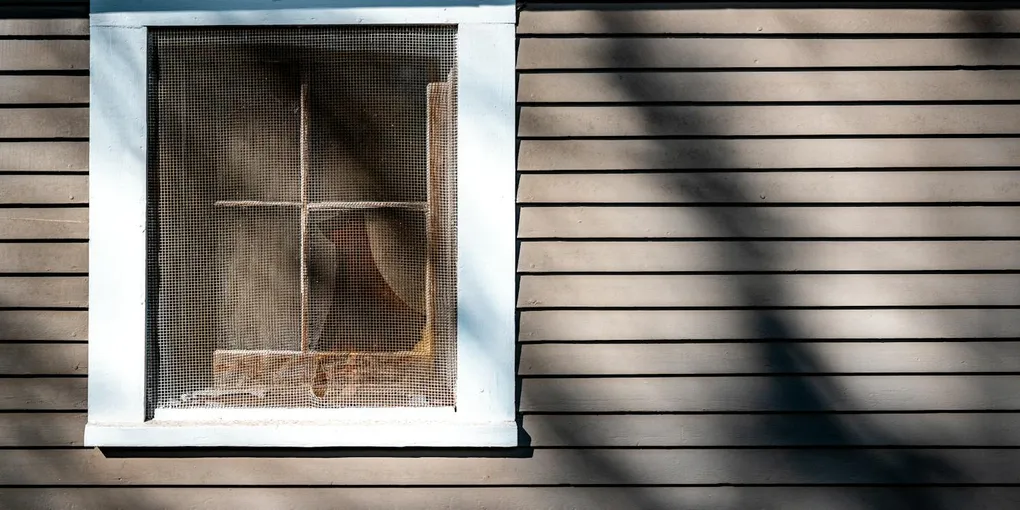
How to Clean Window Screens Without Damaging Them
Window screens get dirty fast in spring and summer. Here is the right way to clean window screens without stretching the mesh or warping the frame — including the method that takes 5 minutes per screen.

Window screens collect pollen, dust, spider webs, and bug debris fast — especially in spring and summer when you’re opening windows for the breeze. Most homeowners either ignore them (and lose airflow + a clear view) or pressure-wash them (and ruin the mesh). There’s a better way: a 5-minute cleaning method per screen that doesn’t damage anything and leaves them looking new. This guide walks through how to clean window screens without damaging them, plus when to replace versus clean.
What You’ll Need
- Soft-bristle brush (a toilet brush works, or a soft hand broom)
- Vacuum with a brush attachment
- Bucket of warm water
- A few drops of dish soap (Dawn is fine)
- Microfiber cloth or rag
- Garden hose with a gentle spray nozzle
- A clean towel or drying rack
- Optional: distilled white vinegar for hard-water stains
Step 1: Remove the Screen
Don’t try to clean screens while they’re installed. You’ll never reach all sides and the mesh accumulates wet dirt that drips down the inside of your window.
To remove most window screens:
- From inside, push up on the bottom of the screen.
- Lift the screen upward into the upper track.
- Pull the bottom of the screen toward you.
- Lower it out of the window frame.
Screen doors typically have spring-loaded tabs at the top — push them in to release.
Set the screen on a clean surface (grass, driveway, or a clean drop cloth).
Step 2: Vacuum the Dry Debris First
This is the step everyone skips, and it’s what prevents the mesh from getting clogged with wet, sticky residue later.
- Use the brush attachment on your vacuum.
- Vacuum both sides of the screen, including the frame edges.
- Pay extra attention to corners where webs and bugs accumulate.
After vacuuming, the screen should look mostly clean. The wet wash is for residual film and stains.
Step 3: Wash With Soapy Water
- Mix warm water + a few drops of dish soap in a bucket. Don’t make it sudsy — just lightly soapy.
- Dip the soft brush in the solution.
- Brush the screen in long, gentle strokes — always in the same direction (top to bottom or side to side, your choice).
- Don’t scrub hard. The mesh stretches under pressure and you can warp it permanently.
- Brush both sides.
- For stubborn spots (bug splatters, pollen buildup), let the spot sit with soapy water on it for 60 seconds before brushing.
Step 4: Rinse
- Lean the screen against a wall outside, or lay it on grass.
- Use the garden hose on a gentle spray setting — not jet or pressure-washer. Strong water flow stretches and tears the mesh.
- Rinse both sides until the water runs clear.
- Hold the hose 12–18 inches away. Closer means more pressure on the mesh.
Step 5: Dry
- Stand the screen up against a wall or fence in direct sunlight.
- Let it air-dry completely — usually 30–60 minutes in sun.
- Don’t reinstall a wet screen. Trapped moisture can cause window frame damage and mildew.
Step 6: Reinstall
- Verify the frame still feels solid (not bent from handling).
- Pop the screen back into the window — reverse of removal.
- Make sure the spring tabs (if any) seat properly.
For Hard-Water Stains or Heavy Mineral Buildup
If your screens have white mineral deposits from sprinklers or hard water:
- Mix equal parts white vinegar and water in a spray bottle.
- Spray the stained areas, let sit 10 minutes.
- Brush gently.
- Rinse thoroughly with the hose.
Don’t use vinegar on aluminum frames for extended periods — it can dull the finish. Spot-treatment is fine; full-soak isn’t.
What NOT to Do
These will damage your screens:
Pressure washer. The most common mistake. High-pressure water tears mesh, warps frames, and forces water under window seals. Never.
Stiff-bristle brushes or wire brushes. Scratch mesh and frames.
Harsh chemicals (bleach, ammonia, oven cleaner). Mesh and frames don’t need it. Soap and water is plenty.
Cleaning while installed. Water runs down the inside of your window. Mesh debris ends up in your living room.
Heavy scrubbing. Mesh is held to the frame by a spline (a rubber cord). Over-aggressive scrubbing can pop the spline loose, releasing the mesh.
Skipping the dry vacuum step. Wet dirt is much harder to remove than dry dirt. Vacuum first, always.
How Often Should You Clean Screens?
- Light use (indoor / shaded windows): annually, in spring before opening windows for summer
- Heavy use (kitchen, near grills, near pollen-heavy trees): twice a year, spring and fall
- Coastal homes: quarterly — salt air and sand accelerate buildup
A 5-minute annual cleaning of all your screens keeps them looking new for 15+ years. Skipping for 3+ years and they may need replacement just from accumulated grime.
When to Replace Instead of Clean
If your screen has:
- Holes (anything bigger than a fingernail)
- Permanent stretching or sagging
- Warped or bent frame
- Pet damage
- Mesh that’s faded from sun-bleaching
Replacement is the right call. See how to replace a window screen for the DIY method ($5 in parts, 15 minutes).
Common Mistakes to Avoid
Pressure-washing screens. Cannot say it enough. Don’t.
Using a stiff brush. Soft bristles only. Toilet brush, soft hand broom, or a microfiber duster.
Forgetting to vacuum first. Wet dirt clings.
Reinstalling before fully dry. Causes window frame damage.
Cleaning only the outside. Inside is just as dirty — vacuum catches that side too.
Frequently Asked Questions
Can I use a hose with a sprayer attachment? Yes — but use the “shower” or “fan” setting, not “jet.” If your nozzle doesn’t have a gentle setting, just use thumb pressure on the open hose end.
My screens have spider eggs on them. Will cleaning kill them? Vacuuming + soapy water removes most of the egg sacs. Add a wipe with a 1:10 vinegar:water solution if you want to be thorough.
Should I use commercial screen cleaner? Generally unnecessary. Dish soap and water work fine. Commercial cleaners are for very neglected screens or specific stains.
Can I clean fiberglass and aluminum mesh the same way? Yes. Both handle soap + soft brush. Just be gentler with fiberglass — it’s more delicate.
My screen frame is dented from a fallen branch. Can I clean it back to shape? A small dent can sometimes be flexed back to shape by hand. A serious dent — replace the screen. Bending the frame stretches the mesh.
Clean Screens, Clear Views
Five minutes per screen, once a year, keeps your view clear and your airflow strong. Don’t overcomplicate it: vacuum, soapy brush, hose rinse, dry, reinstall. No pressure washers, no harsh chemicals, no shortcuts that damage the mesh. Your screens will outlast the rest of your windows.